

 See My Latest Article on HelloNation

Home repairs do not all affect value in the same way. In Minneola, FL, the improvements most likely to support a home’s condition, appeal, and resale position are usually the practical ones: repairs that prevent water intrusion, improve safety, protect major systems, and make the property easier to maintain.
The right priority is not always the most visible project. A freshly painted room may look appealing, but a repaired roof leak or properly functioning drainage system can matter far more during an inspection.
Which repairs usually add the most value?
Repairs that protect the structure and reduce future maintenance concerns generally provide the strongest value. Buyers tend to pay close attention to defects that could lead to costly or disruptive problems after closing.
High-priority repairs often include:
- Roof leaks, damaged shingles, or deteriorated flashing
- Water stains, active plumbing leaks, and moisture intrusion
- Electrical hazards or outdated components that create safety concerns
- Failed heating and cooling equipment
- Drainage problems around the foundation
- Damaged flooring, railings, steps, windows, or doors
- Evidence of wood-destroying insects or rot
These repairs may not create a dramatic visual transformation, but they can protect the home from deterioration and help prevent inspection findings that complicate a sale.
Why does water management matter so much in Minneola?
Water management is especially important in Central Florida communities because heavy seasonal rain can expose weaknesses in roofs, gutters, grading, exterior caulking, and drainage paths. A home does not need obvious flooding to have a moisture problem.
Useful repairs may include:
- Replacing damaged roof materials and sealing vulnerable roof penetrations
- Repairing or improving gutters and downspouts
- Directing roof runoff away from the foundation
- Correcting low areas where water collects near the home
- Replacing deteriorated exterior caulking around windows and doors
- Repairing soft fascia, soffits, siding, or trim
- Addressing musty odors or recurring interior stains
Gutters alone do not solve every drainage issue. Downspouts should release water far enough away from the structure, and the surrounding soil should not channel runoff toward the home. Persistent moisture should be investigated rather than covered with paint.
Do kitchen and bathroom repairs increase home value?
Yes, but repairs usually provide more dependable value than extensive remodeling. A clean, functional kitchen or bathroom can make a home easier to evaluate, while worn or damaged finishes may make buyers assume that hidden problems exist.
Practical kitchen repairs include fixing leaking faucets, damaged cabinet doors, loose flooring, broken outlets, poor lighting, and deteriorated countertops. In bathrooms, priority items include repairing leaks, replacing cracked tile, improving ventilation, correcting soft flooring, and resealing areas exposed to frequent moisture.
A full renovation may be appropriate for a severely outdated or damaged space, but the cost is not always recovered dollar for dollar. Neutral, durable repairs generally have broader appeal than highly personalized finishes.
Should homeowners repair or replace the air-conditioning system?
A malfunctioning or unreliable cooling system can affect both comfort and buyer confidence. In a warm, humid climate, heating and cooling equipment receives regular use, and poor performance may raise concerns about future expenses or indoor moisture.
Before replacing an entire system, homeowners may need to address simpler problems such as:
- Blocked or poorly maintained filters
- Leaking condensate lines
- Damaged insulation around refrigerant lines
- Uneven airflow
- Faulty thermostats
- Excessive humidity or unexplained temperature differences
If the system is near the end of its useful life, a replacement may improve reliability and marketability. Records showing routine maintenance can also help demonstrate that the equipment has been cared for, although maintenance records do not replace a proper evaluation.
Which exterior repairs are worth prioritizing?
Exterior condition shapes a buyer’s first impression, but it also reveals how well the home has been protected from weather. Repairs should focus on both appearance and durability.
Helpful exterior work may include repairing cracked walkways, loose handrails, damaged screens, sticking doors, broken exterior lights, and deteriorated paint or trim. Trees and shrubs should be kept clear of the roof, walls, windows, and air-conditioning equipment. Overgrown vegetation can hide moisture damage and make routine maintenance more difficult.
In communities with newer construction as well as established homes, buyers may compare properties closely on visible upkeep. A clean entry, intact screens, functioning lighting, and sound exterior surfaces can make the property feel better maintained without requiring a major redesign.
Do cosmetic repairs make a meaningful difference?
Cosmetic repairs can improve perceived value when they address visible neglect. The most useful projects are usually modest and consistent rather than elaborate.
Examples include:
- Patching nail holes and wall damage
- Touching up scuffed paint
- Replacing broken light fixtures or switch plates
- Repairing damaged flooring
- Adjusting doors that stick or fail to latch
- Replacing torn screens
- Removing excess clutter before photographs or showings
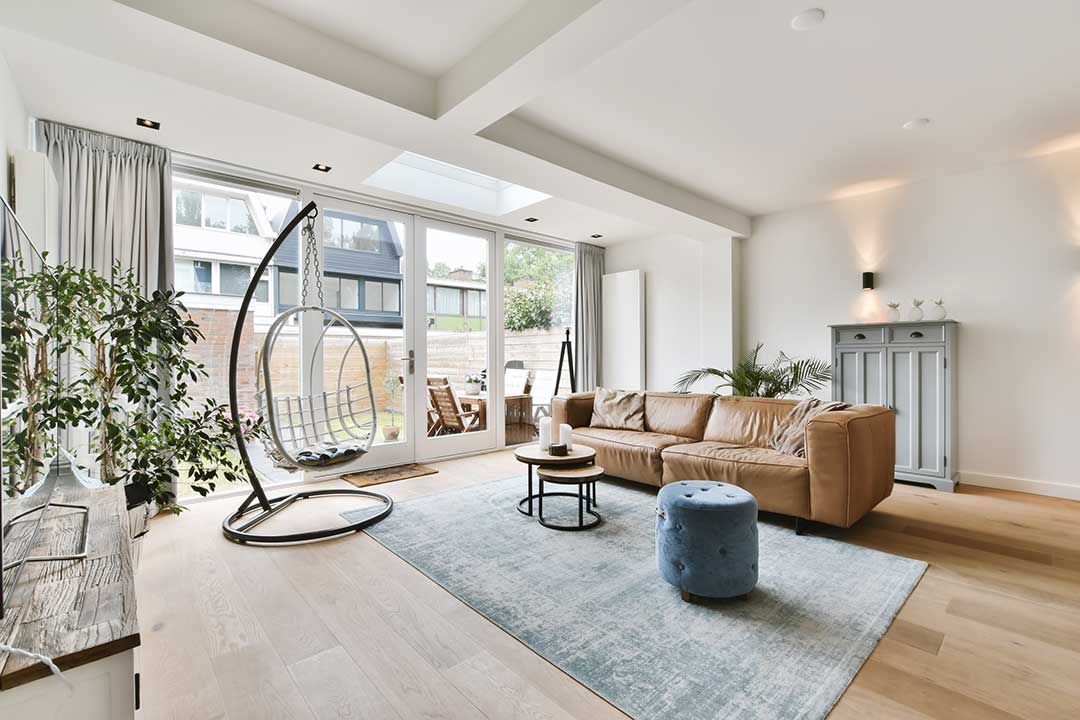
Cosmetic work has limits. Covering water stains without repairing the source, painting over peeling surfaces, or using strong fragrances to hide odors may create additional concerns. Buyers and inspectors often look for evidence that a problem was concealed rather than corrected.
What safety repairs should be completed first?
Safety-related defects deserve prompt attention because they can affect occupants as well as a transaction. Loose stairs, missing handrails, exposed wiring, nonfunctioning smoke alarms, and unsafe electrical conditions should not be treated as minor cosmetic issues.
Other concerns may include:
- GFCI protection in appropriate wet-area locations
- Secure pool barriers where applicable
- Properly functioning doors and locks
- Stable decks, porches, and balconies
- Clear access to electrical panels and mechanical equipment
- Adequate ventilation in bathrooms and utility areas
Some repairs involve building codes, permits, or specialized safety requirements. When legal compliance or hazardous conditions are involved, qualified guidance may be necessary. The purpose is not only to support value but also to reduce preventable risk.
Which repairs are often overlooked?
Some of the most influential repairs are easy to miss because they are not part of the main living areas. Buyers may still notice them during an inspection or routine property review.
Overlooked items can include attic insulation, crawl or utility spaces, water-heater connections, garage door safety features, window seals, irrigation leaks, and drainage near side yards. Small plumbing leaks beneath sinks can damage cabinets and flooring over time. A missing or damaged attic vent component can contribute to moisture problems.
It is also useful to check that repair work is documented. Receipts, permits where required, warranties, and dates of major repairs can help explain what was done and when. Documentation does not increase value by itself, but it can reduce uncertainty.
How should homeowners decide which repairs come first?
A sensible repair plan starts with damage prevention, safety, and system reliability. Cosmetic improvements usually come afterward.
A practical order is:
- Stop active leaks and moisture intrusion.
- Correct hazards involving electricity, stairs, railings, gas, or structural components.
- Repair roof, drainage, plumbing, and air-conditioning problems.
- Address damaged doors, windows, flooring, and exterior surfaces.
- Complete modest cosmetic touch-ups after the underlying work is finished.
Homeowners should also consider timing. Repairs made during routine ownership may improve comfort and reduce future costs, while repairs made before a sale should focus on conditions that buyers are likely to see, question, or request for correction.
The strongest value-supporting repairs are usually the ones that leave the home dry, safe, functional, and easier to maintain. In Minneola, that means paying close attention to weather exposure, humidity, drainage, cooling systems, and the condition of exterior materials—not simply choosing the most noticeable renovation.